 View at full size
ORBITALS.VARIATION A
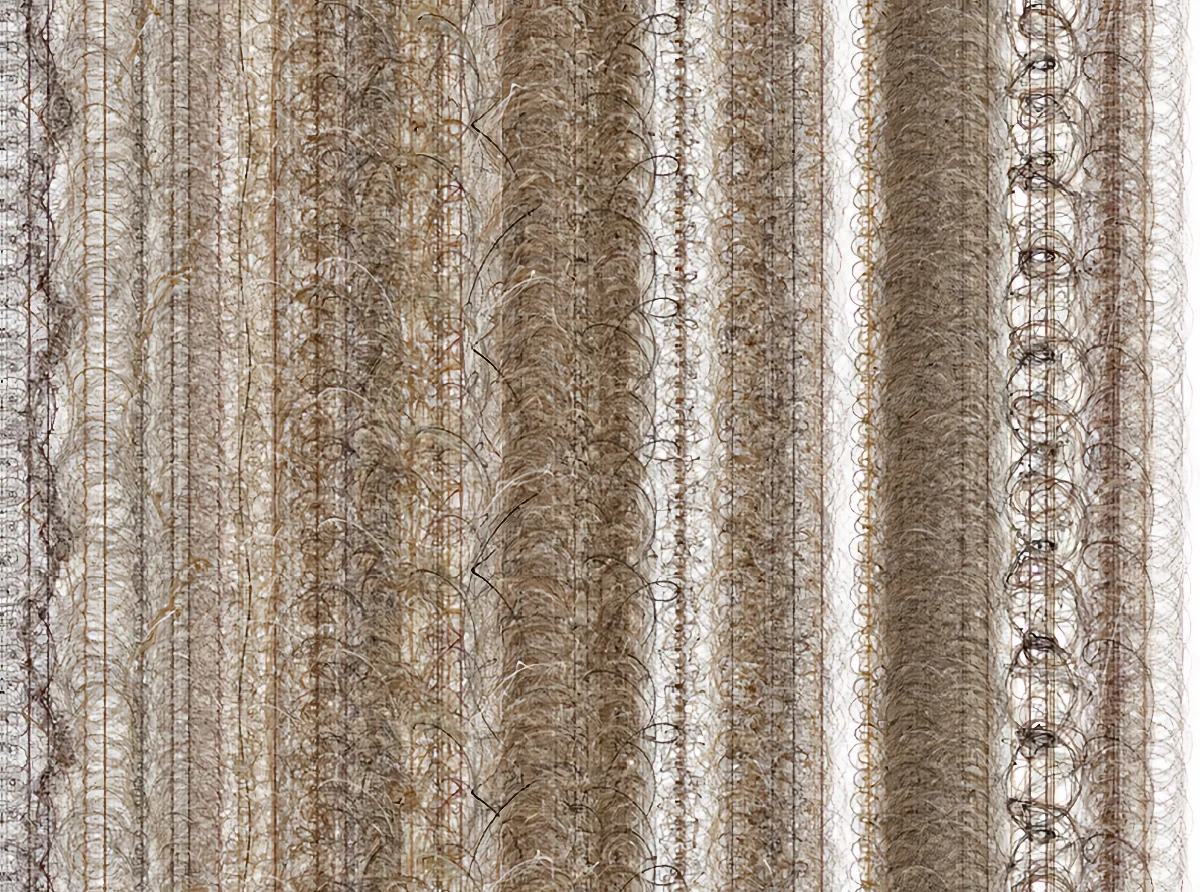
The Orbitals is a collection of particles operating on one simple rule: choose another particle in the system and orbit it with a fixed radius at a constant velocity. This is variation A (see Orbitals Variation B).
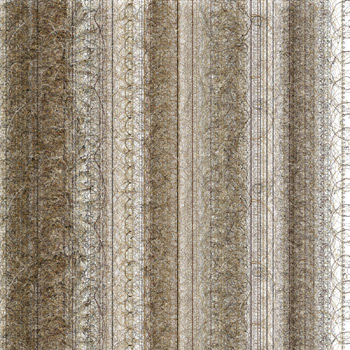
To set the rendering stage, particles are randomly introduced into the system. Particles have a 90% chance of choosing to orbit a particle already in the system, otherwise, they become a root particle. Root particles are given a constant vertical translation in position, so that they are dragged from the top of the screen to the bottom. Dragging the root particle also drags all the particles orbiting it.
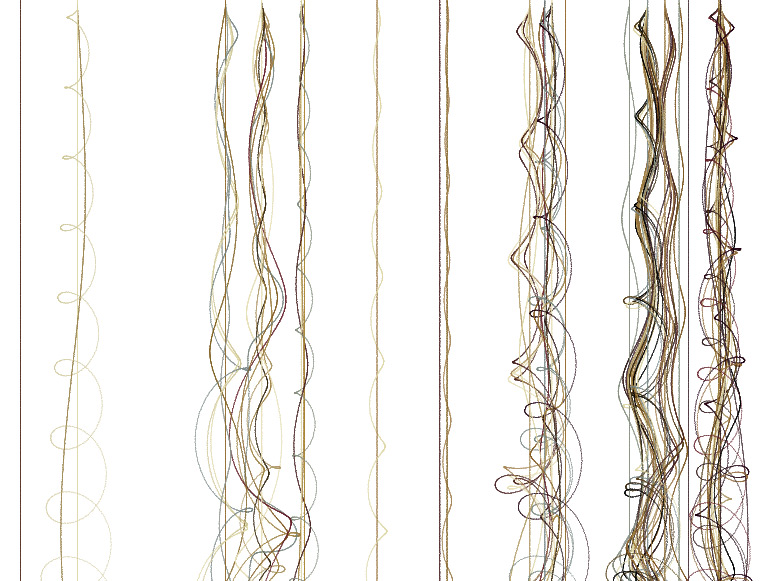
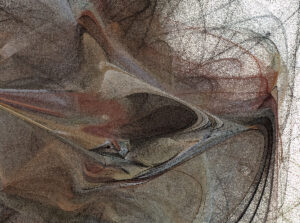
early0000 low count orbitals provide clues as to what might unfold with higher numbers…
The image above contains about 100 orbiting particles including 18 root particles.
Let us increase the number of elements in the orbiting system into the hundreds…
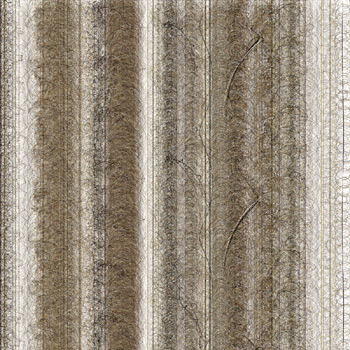
1000
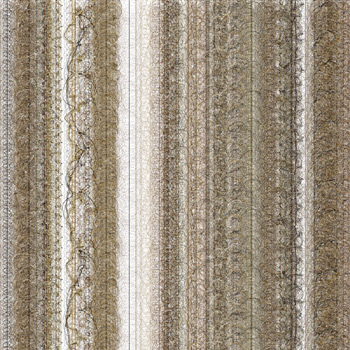
1001
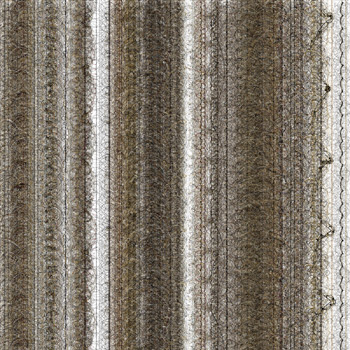
1002
1003
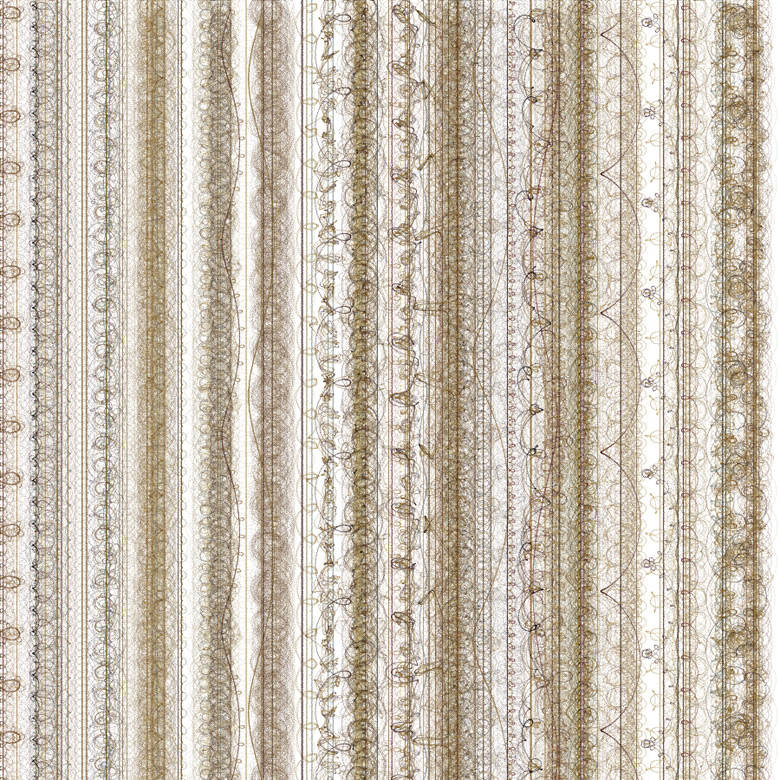
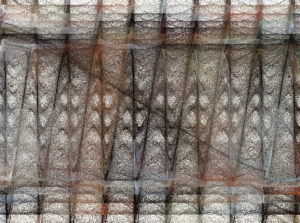
0000 cyclic patterns from orbiting systems
I am reminded of an American childhood firmly based in the 1970’s.
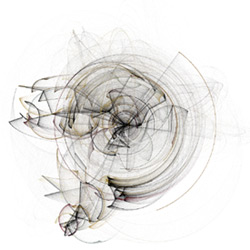
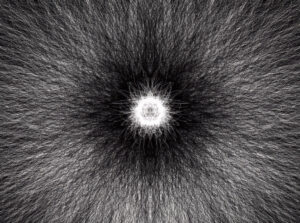
B2000 one root particle with no translation
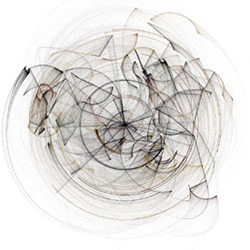
B2001 one root particle with no translation
A variation of the Orbitals (see Orbital Variation B) exists that uses only one root node, and does no dragging. The result is an interesting calendar like object with a deeply nested structure.