Algorithms
-
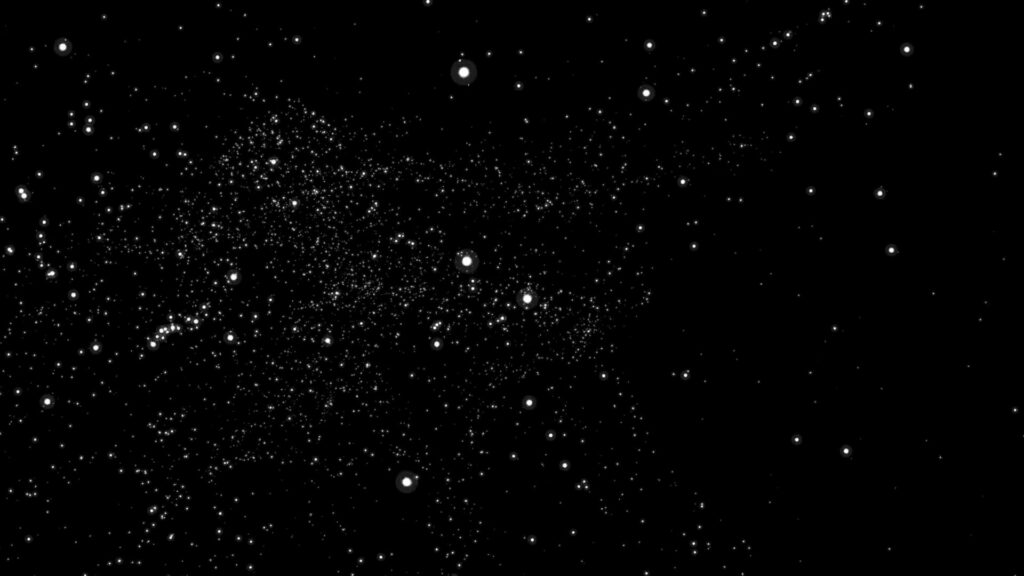
SPACE.FLIGHT
Endless generative flight through a field of stars inspired by my partnership in Deep Space Coffee. Flying through a field of stars was one of the first great computer programs I remember as a child.
-
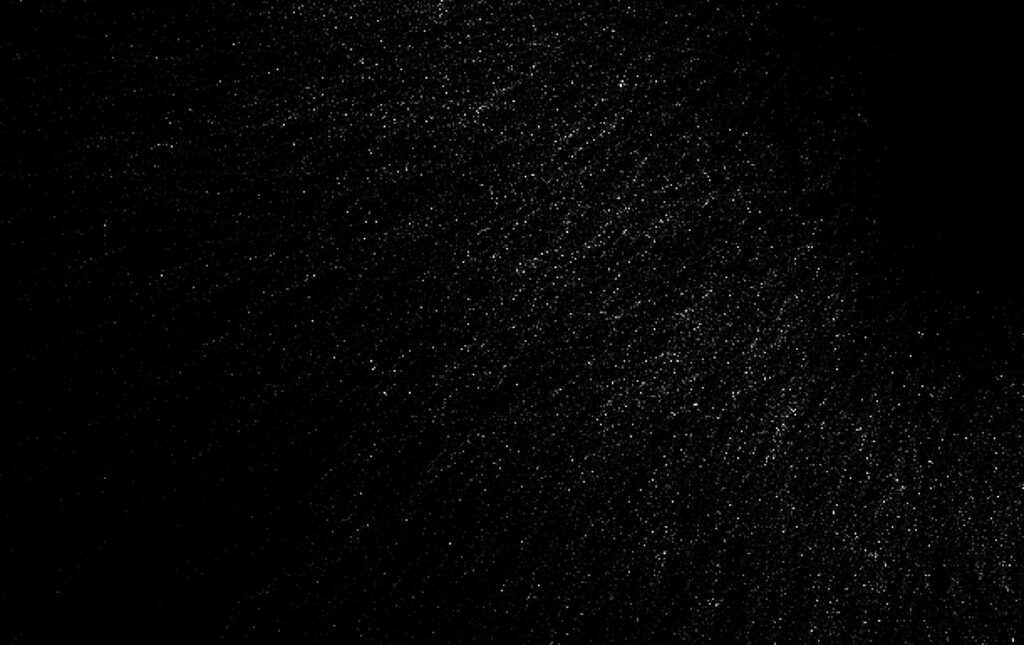
FAR.AWAY.PIXEL.GALAXY
Somewhere in a pixel galaxy, far far away… Programmed in Processing By Jared S Tarbell
-
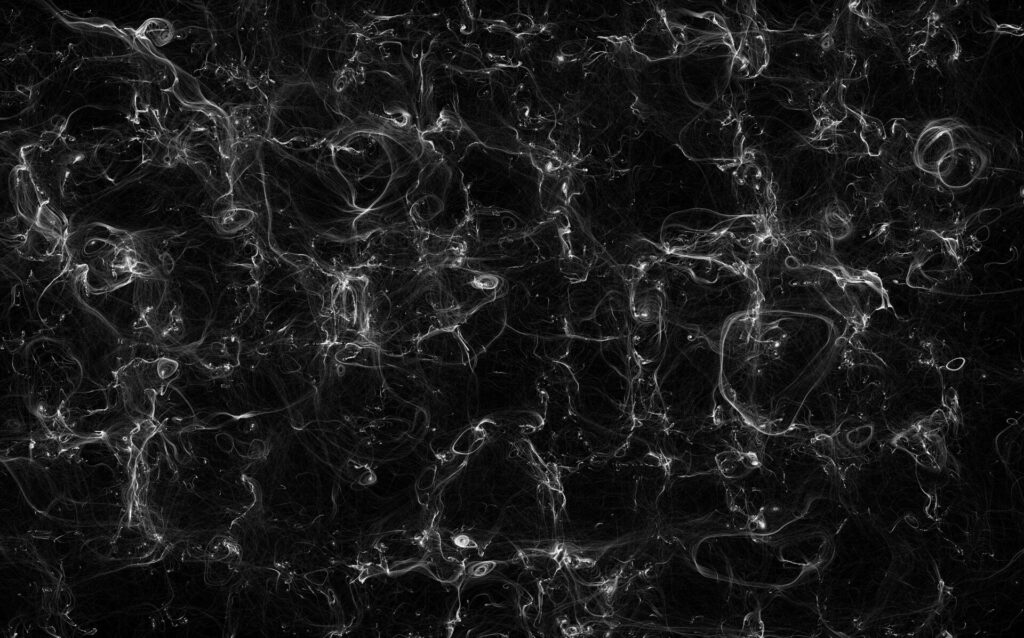
NOISE.FIELD
Particles follow paths derived from a two dimensional Perlin noise function. Paths are rendered with translucent pixels, making common areas bright.
-
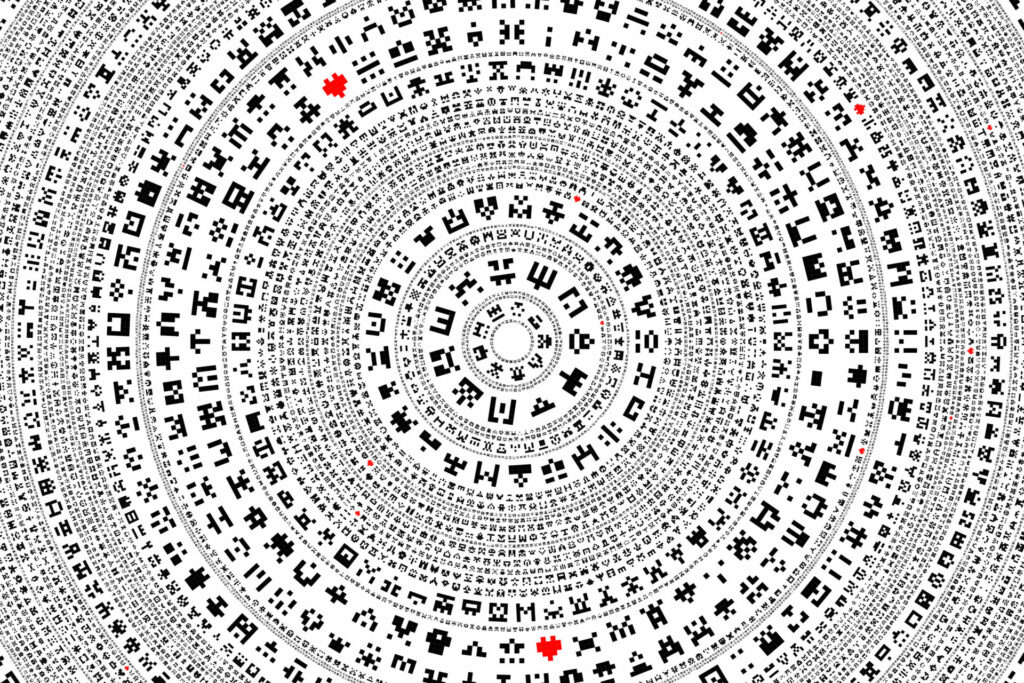
INVADER.SUPER.RING
The Invader is a special grid construction of black and white squares. I have generated millions of them.
-
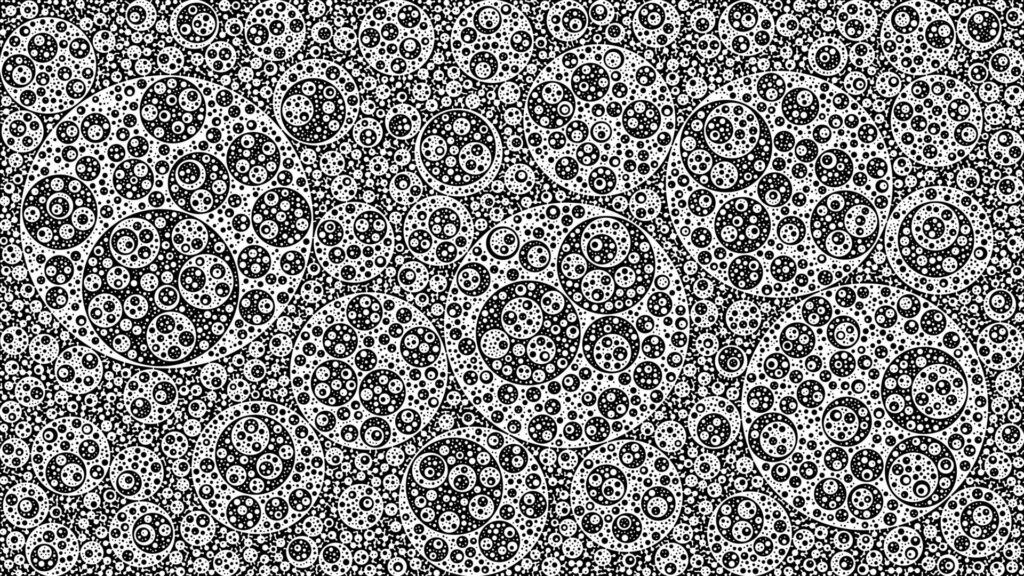
CIRCLES.INSIDE.CIRCLES
Packing circles into a finite space is fun. Especially when you use lazy algorithms that place and test, rather than do any hard math.
-
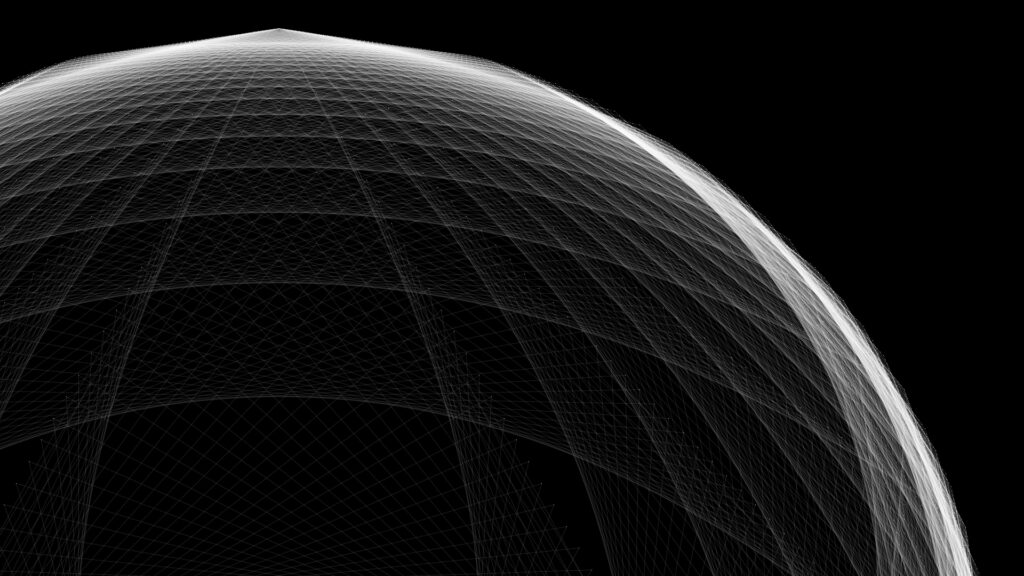
YARN.STRETCHER
Exploration of a childhood craft stretching yarn between two adjacent lines of pins, many many many times. I often use red in debugging situations.
-
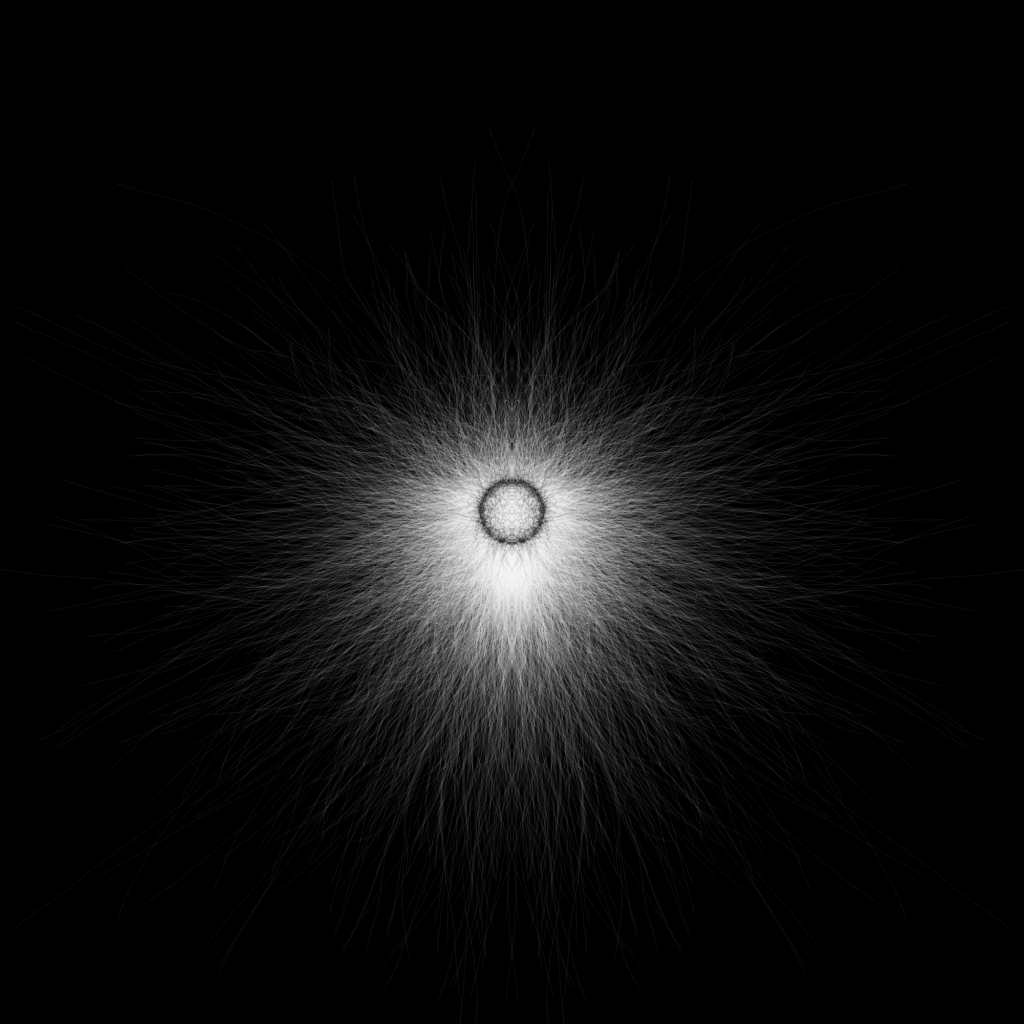
BINARY.AGES
A system of path tracing particles evolves continually from an initial creation event. Ages of darkness play arbitrarily with ages of light.
-
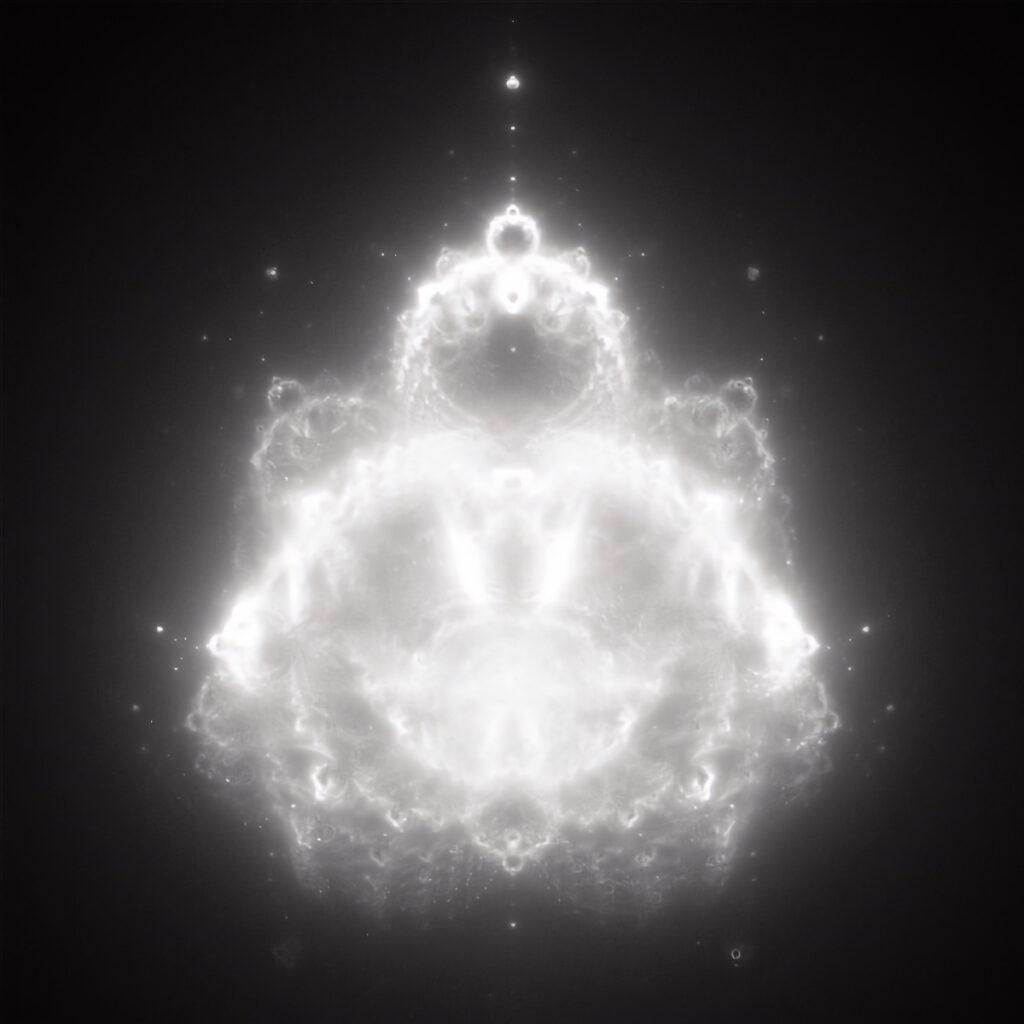
BUDDHA.BROT
The Buddhabrot Set is a re-visualization of the familiar Mandelbrot Set using a technique invented by Melinda Green. Instead of selecting points on the real-complex plane, initial points are selected at random from the image region.
-
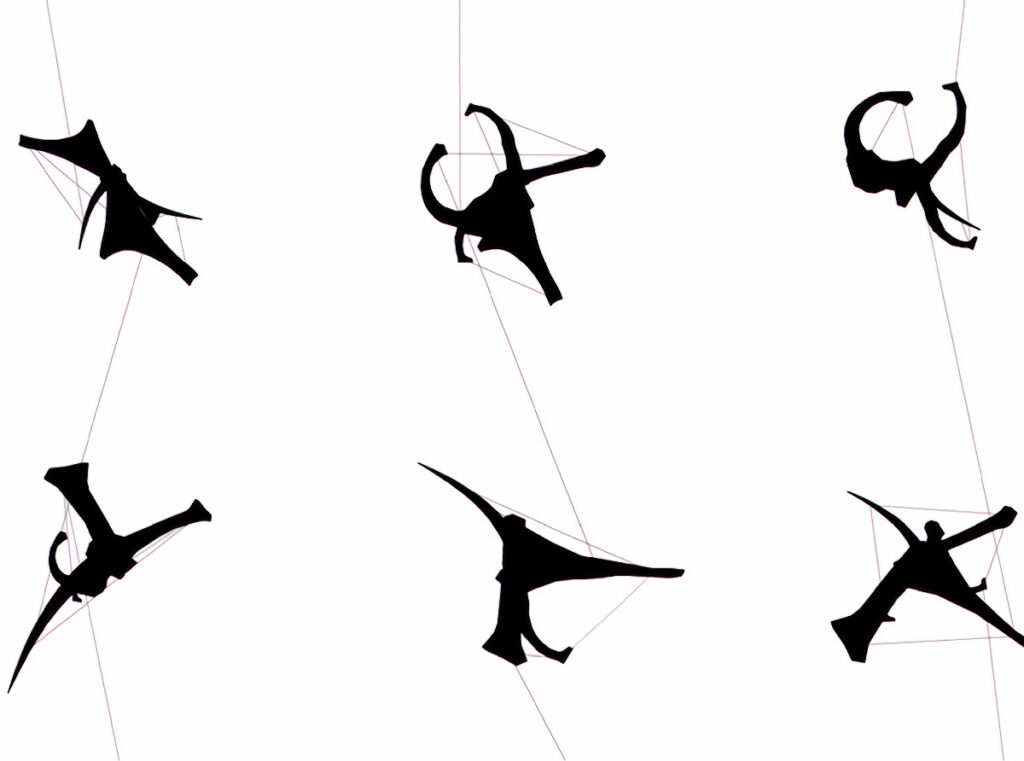
BONE.PILES
Bone Piles is an iteratively generated collection of simple organic shapes tied together with increasing complexity. With each new instantiation, the bone is given unique attributes computed at random and according to the progress of the iteration.
-
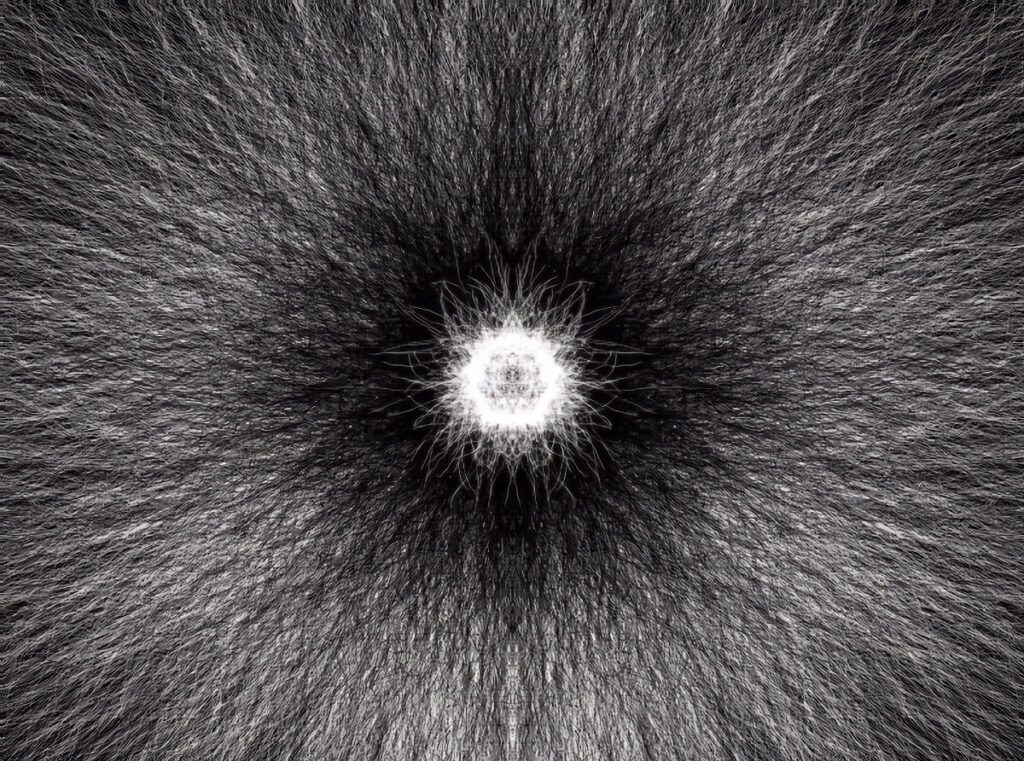
BINARY.RING
A system of path tracing particles evolves continually from an initial creation. Ages of darkness play arbitrarily with ages of light.
-
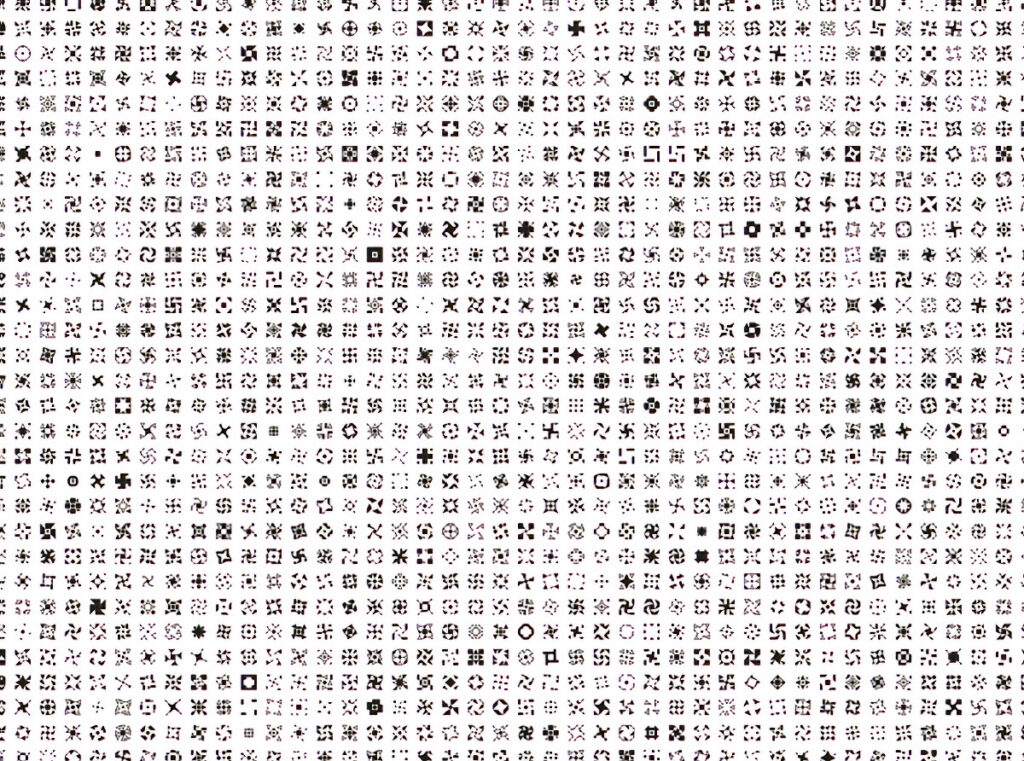
NINE.BLOCK
The nine block is a common design pattern among quilters. It's construction methods and primitive building shapes are simple, yet produce millions of interesting variations.
-
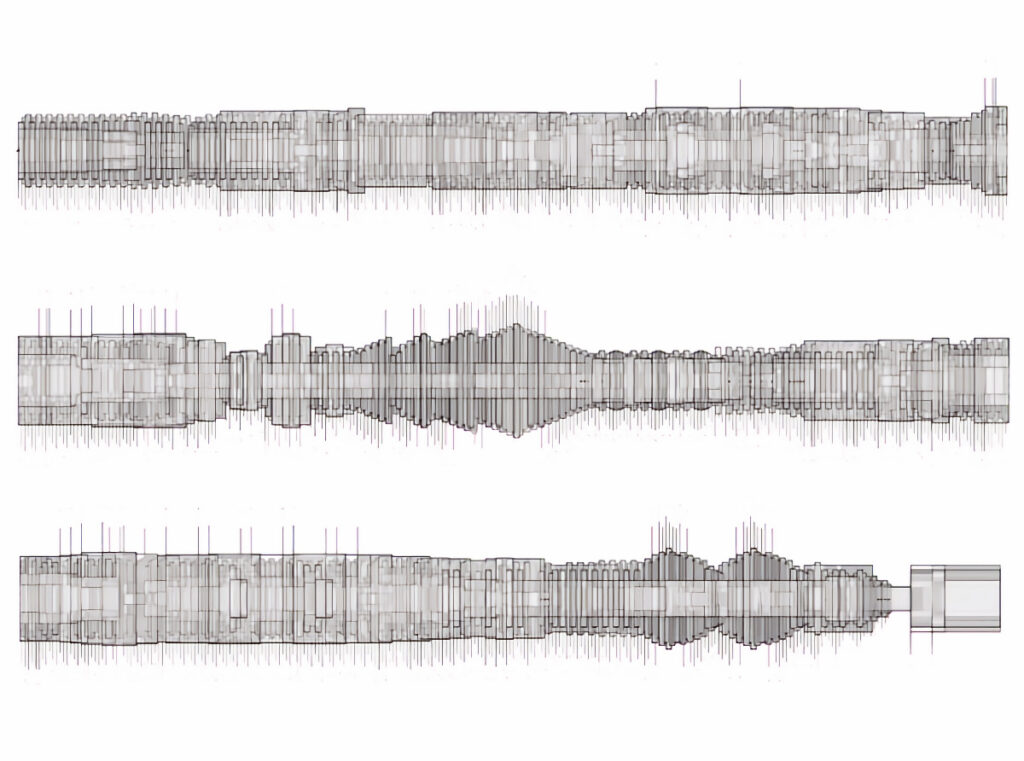
MOONLIGHT.SOYUZ
Moonlight Soyuz is a rendering of a human performance of the first movement of Beethoven's 14th symphony, the 'Moonlight Sonata'. The note information from an actual human performance of the piece was recorded and translated into graphic shapes.