Algorithms
-
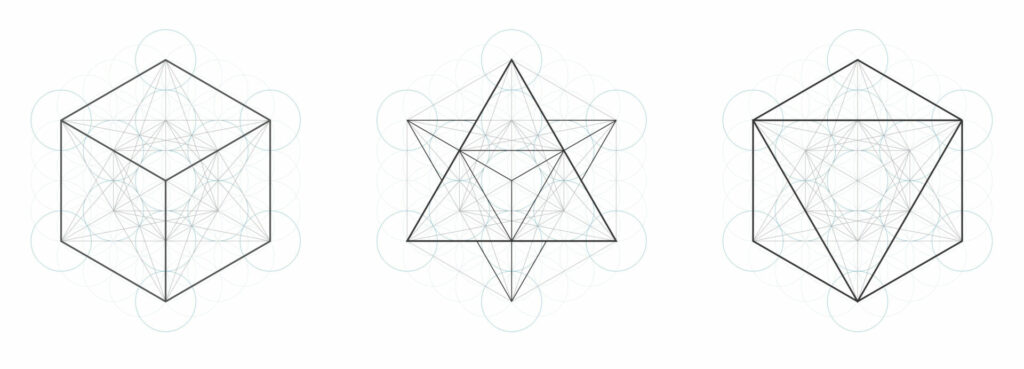
METATRON’S.CUBE
During times of creative drought, I sometimes turn to classic geometric forms. Today I recreated well known constructions from the Metatron Cube.
-
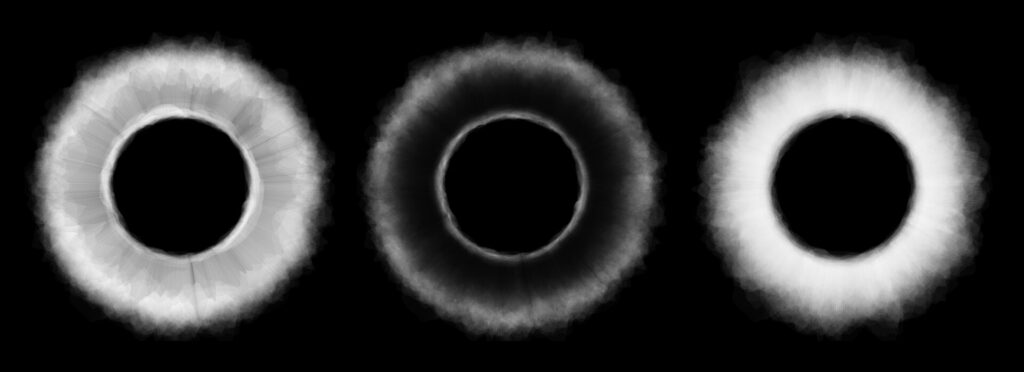
NOISE.CIRCLE
A rotating line of white noise reveals something looking back at me. In this post, the images show my development process.
-
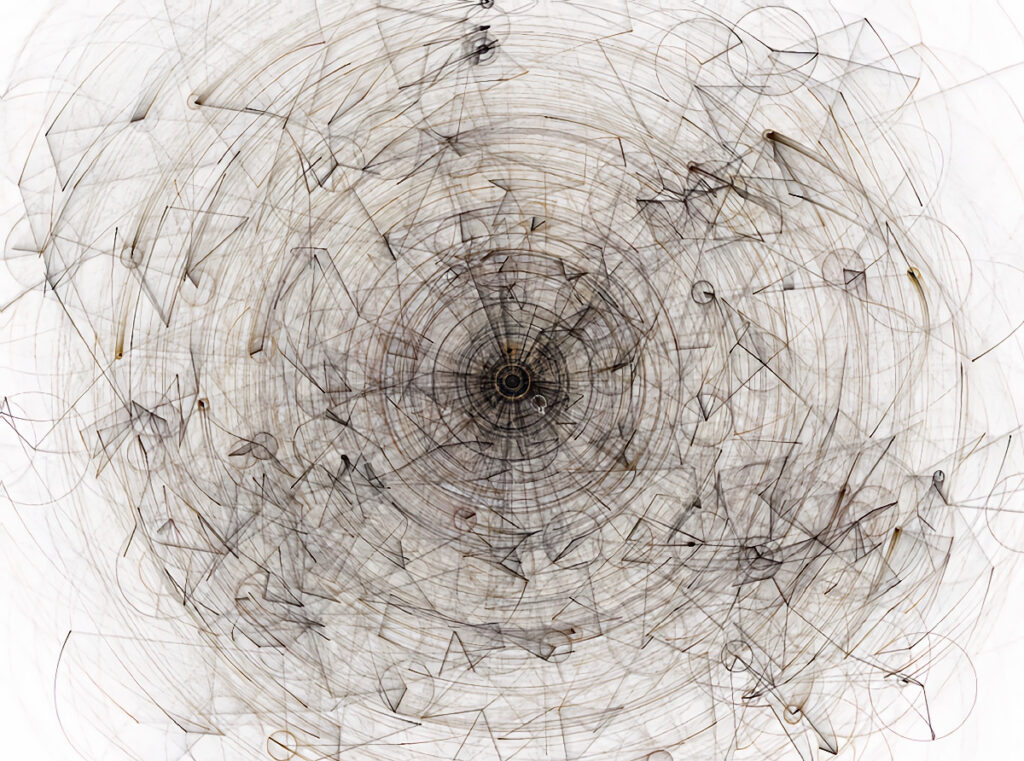
ORBITALS.VARIATION B
The Orbitals is a collection of particles operating on one simple rule: choose another particle in the system and orbit it with a fixed radius at a constant velocity. This is variation B (see Orbitals Variation A).In this variation, a single root particle is instantiated in the center of the stage.
-
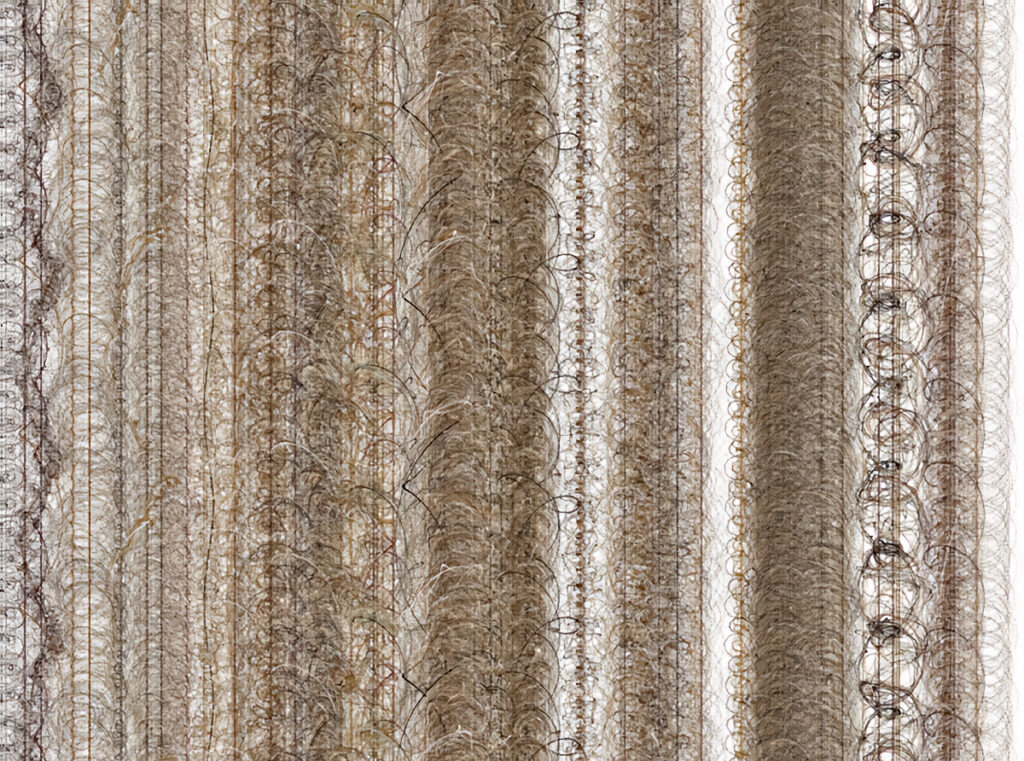
ORBITALS.VARIATION A
The Orbitals is a collection of particles operating on one simple rule: choose another particle in the system and orbit it with a fixed radius at a constant velocity. This is variation A (see Orbitals Variation B).To set the rendering stage, particles are randomly introduced into the system.
-
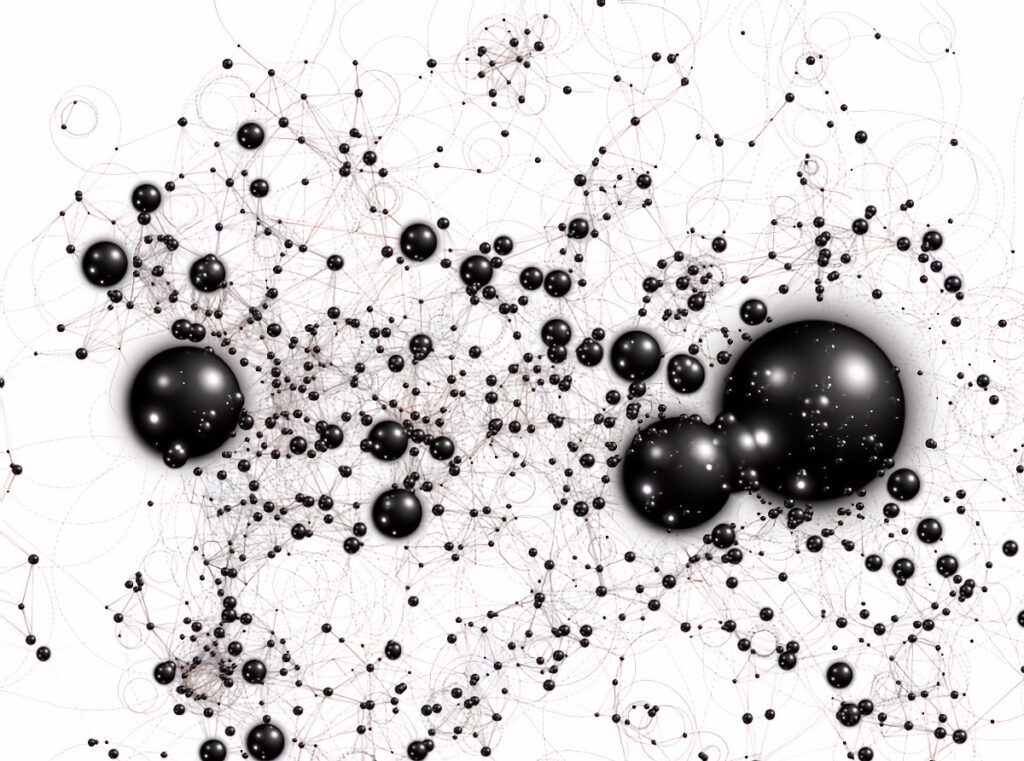
NODE.GARDEN
Nodes are instantiated on irregular curving lines. When connected together, they form a Node Garden.
-
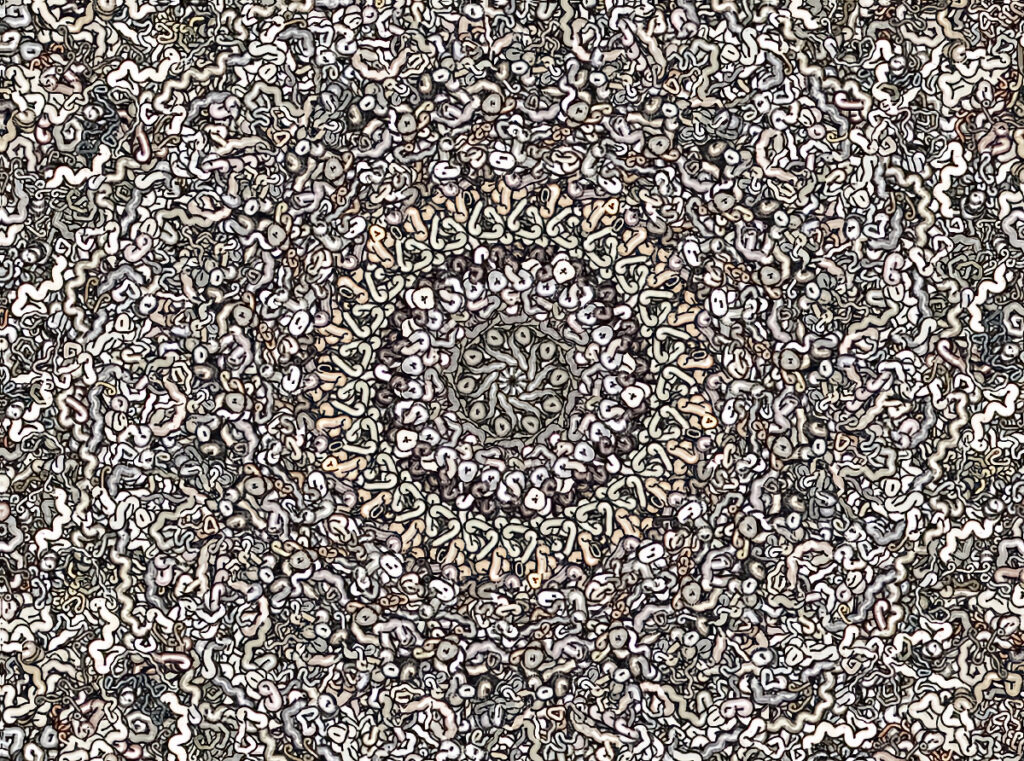
GUTS
Guts is a composition of many hundreds of gut instances rendered simultaneously in a radial fashion. The gut is a wandering tube like object.
-
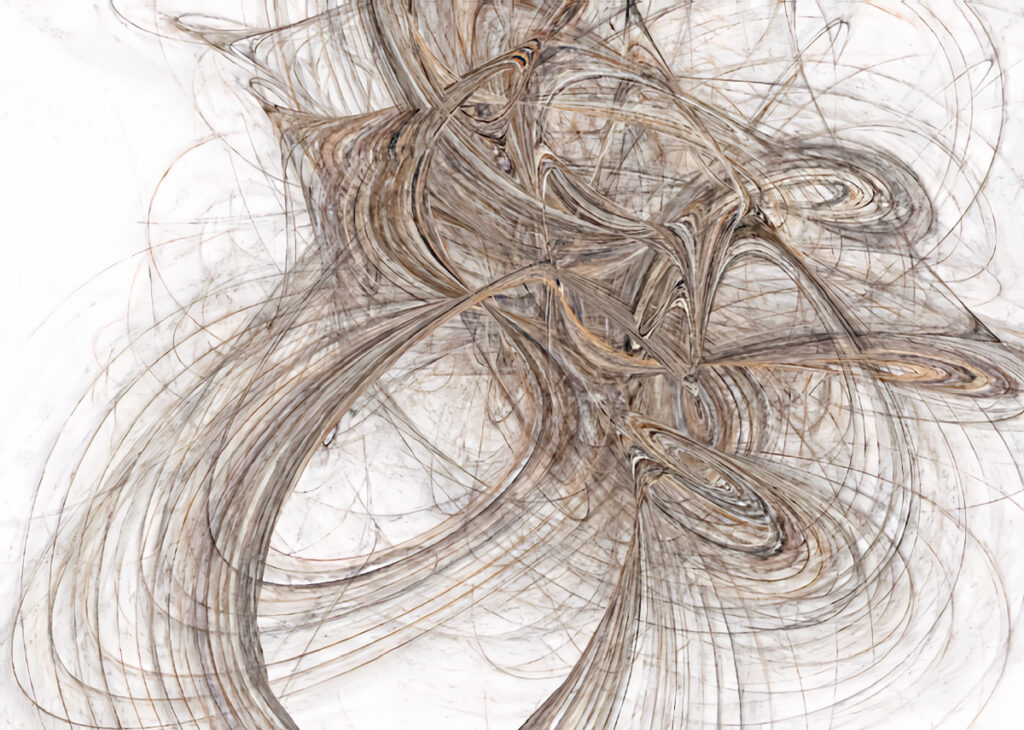
SAND.TRAVELER
The Sand Traveler is a rendering of 1,000 traveling particles, each in pursuit of another. Over time, patterns of travel are exposed as sweeping paths of color.
-
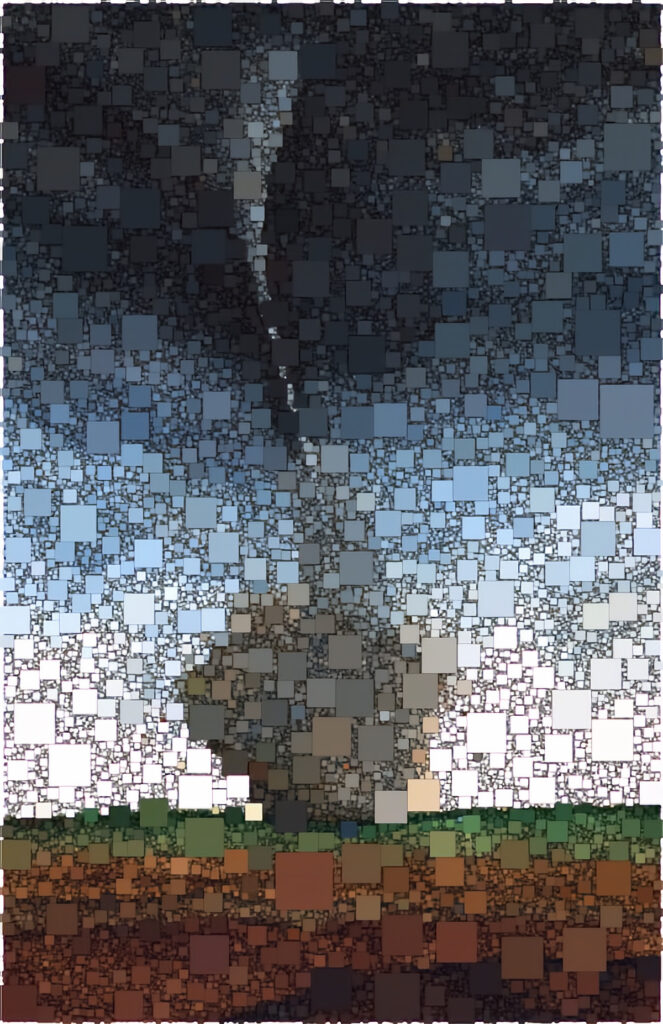
BOX.FITTING.IMG
The classic box fitting algorithm (see Box Fitting) modified with an image substrate, allowing new boxes to draw color from an invisible background. The following images use tornado photography as a color substrate and approximately 2200 individually fitted boxes.
-
INTERSECTION.MOMENTARY
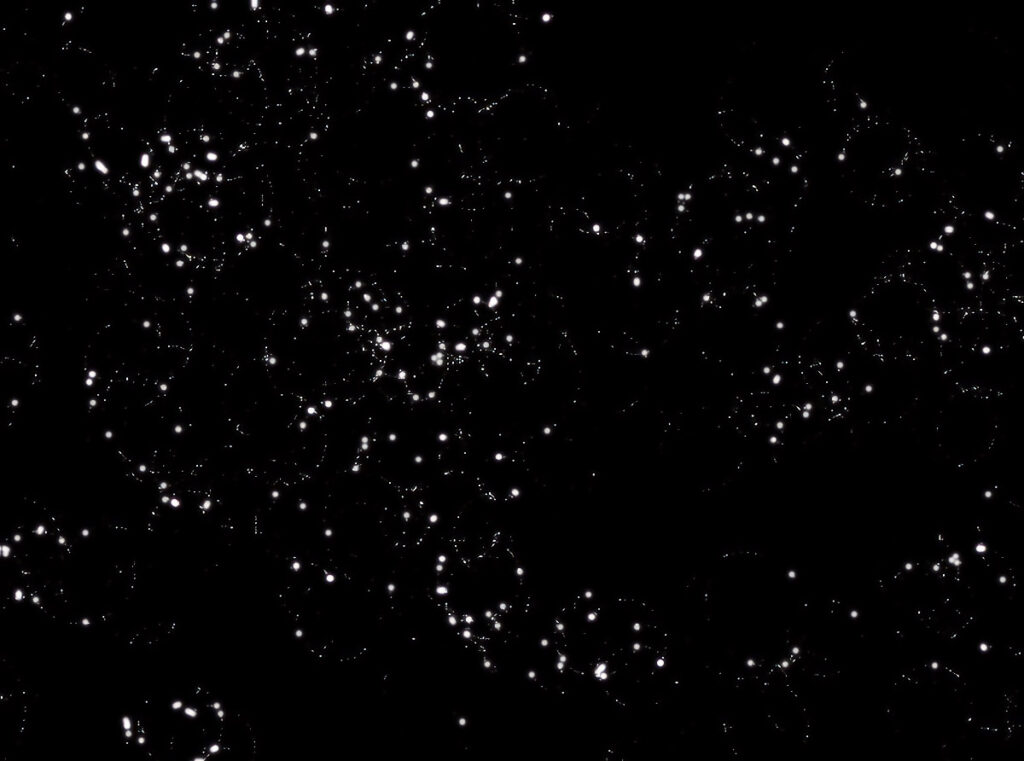
The Intersection Momentary is a fun visualization defining the relationships between objects with Casey Reas, William Ngan, and Robert Hodgin. Commissioned for display at the Whitney Museum of American Art Casey suggests we write programs to visualize the same simple instructions: A surface filled with 100 medium to small sized circles.
-
INTERSECTION.AGGREGATE
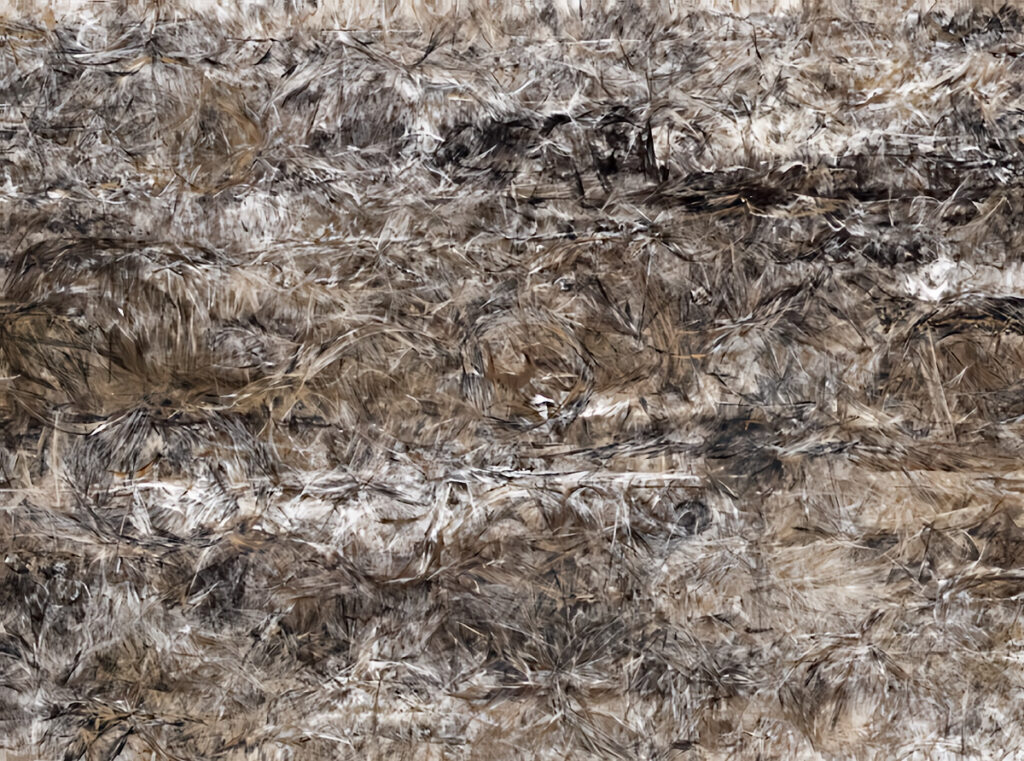
The Intersection Aggregate is a fun visualization defining the relationships between objects with Casey Reas, William Ngan, and Robert Hodgin. Commissioned for display at the Whitney Museum of American Art, the version on this page is a slight modification of the original algorithm (it simply uses color).
-
HENON.PHASE.DEEP
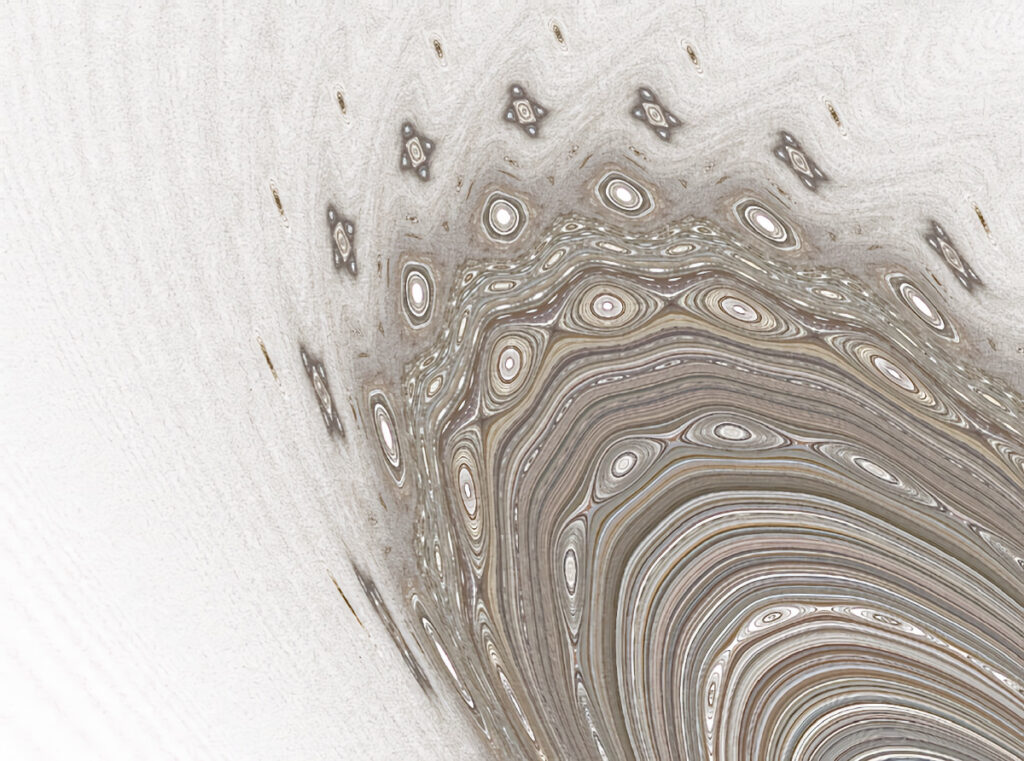
a Henon Phase expansionbased on code by Paul Bourke In hopes and fears of something unknown, we travel deep into the Henon strange attractor (see Henon Phase).All of the images on this page were created by exposing the traveling patterns of particles over long periods of time. The particles are trapped in the simple, but elegant strange attactor as defined by the following transformations: xn+1 = xn cos(a) – (yn – xn2) sin(a)yn+1 = xn sin(a) + (yn – xn2) cos(a)
-
HENON.PHASE
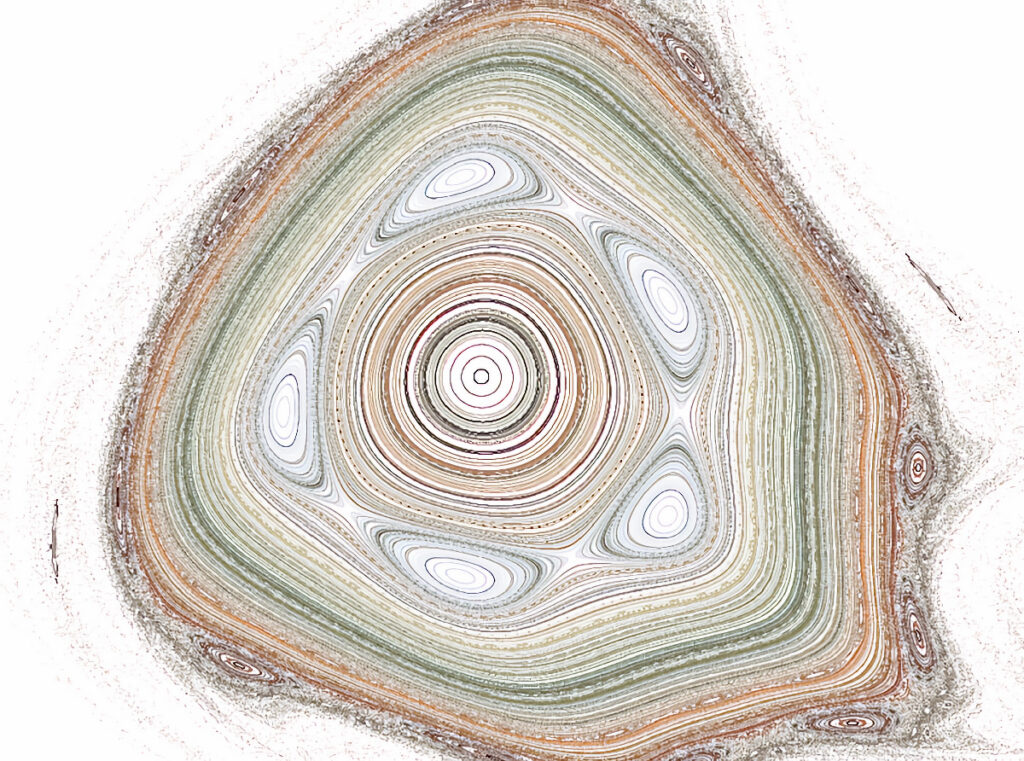
In computing time scales, the Henon Phase is an ancient strange attractor. A point is moved through two dimensional space based on the following transformational equations: xn+1 = xn cos(a) – (yn – xn2) sin(a)yn+1 = xn sin(a) + (yn – xn2) cos(a) These images plot the phase space of the Henon system at arbitrary values of a.